Campus Transparency Fellowship
A TFAS program to support collegiate journalists working to produce high-quality investigative journalism at their respective colleges and universities.
Where this sits in the pipeline
- Length
- One academic year
- Work
- Investigative campus reporting
- Published in
- SJA papers and national outlets
- First class
- 2025–26
About
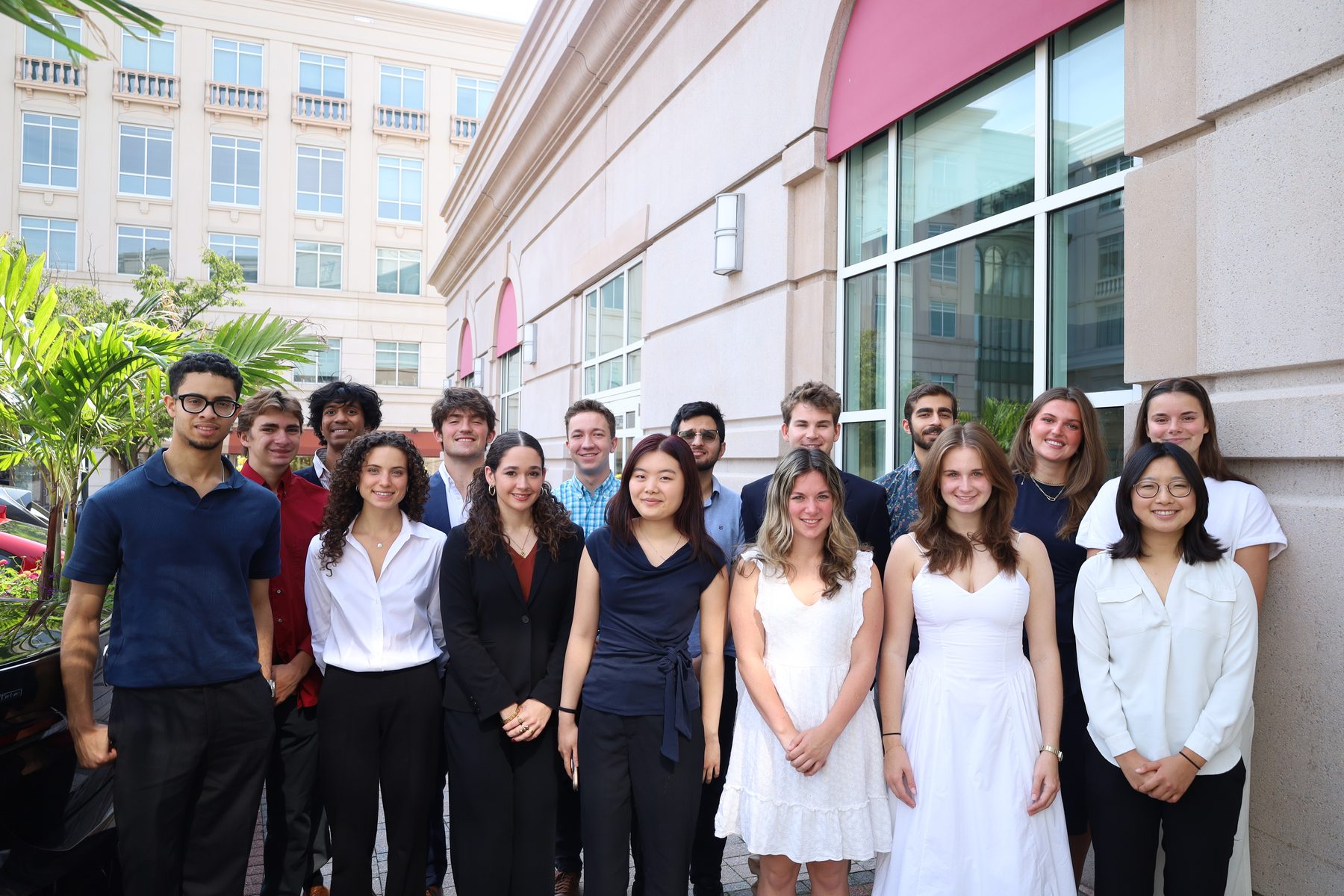
Founded in 2025, the Campus Transparency Fellowship seeks to uniquely equip passionate student journalists with the tools, connections and experience needed to produce high-quality investigative journalism at their respective institutions. By attending monthly sessions with select faculty and two bookending conferences, receiving editorial guidance and placement assistance from TFAS staff, and earning a stipend on a per-article and participatory basis, Campus Transparency Fellows learn to apply rigorous journalistic standards to shine a light on issues at their home universities, including administrative malpractice, free speech violations, campus antisemitism and more.
The 2025–26 curriculum
- Monthly webinars
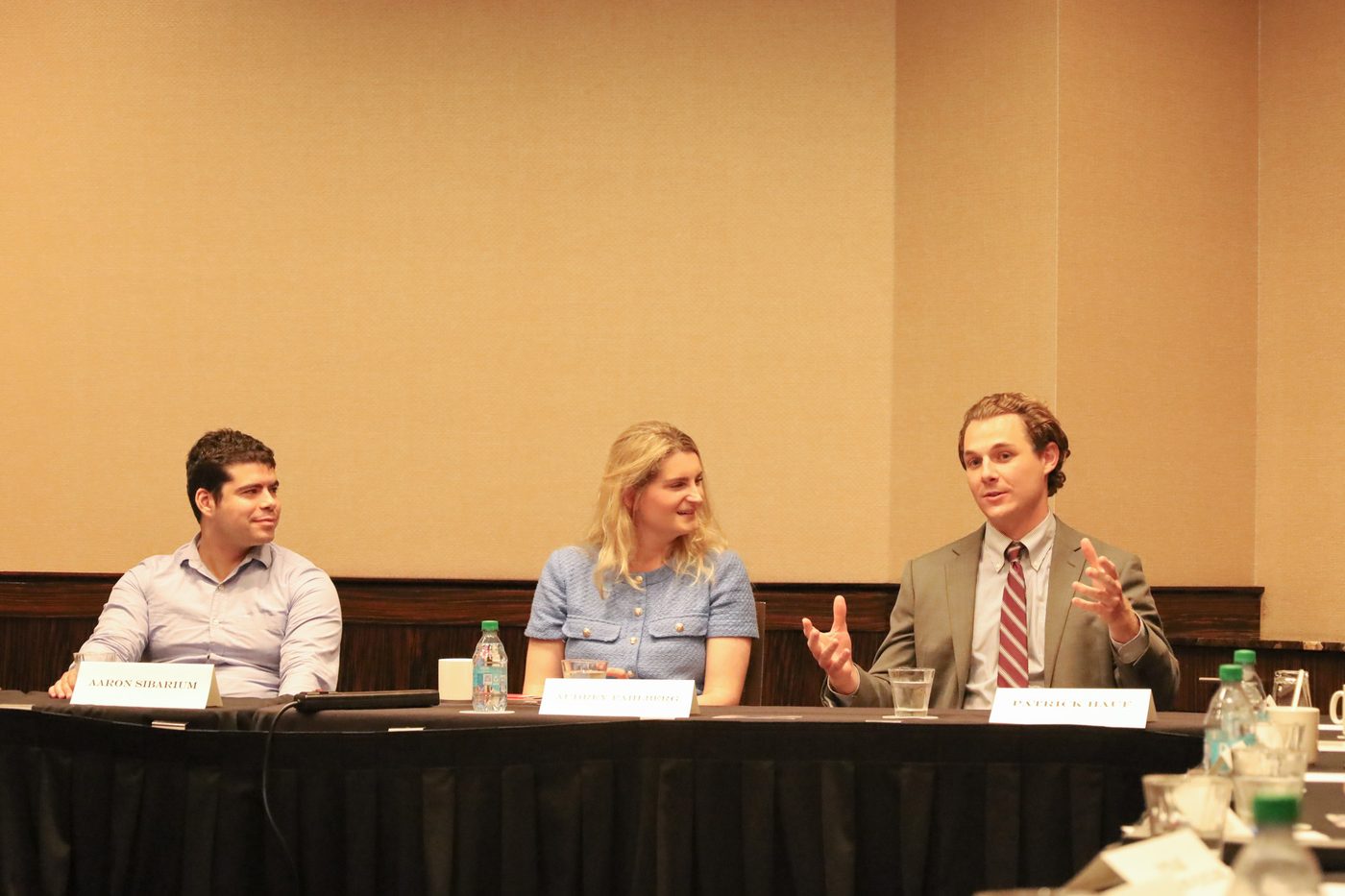
- Fellows discussed topics such as source cultivation with The Free Press’s Washington correspondent Audrey Fahlberg, Novak ’24, and records requests with Manhattan Institute’s John Sailer. TFAS hosted James Bennet, The Economist’s Lexington columnist, as the class’s commencement speaker.
- Bookending conferences
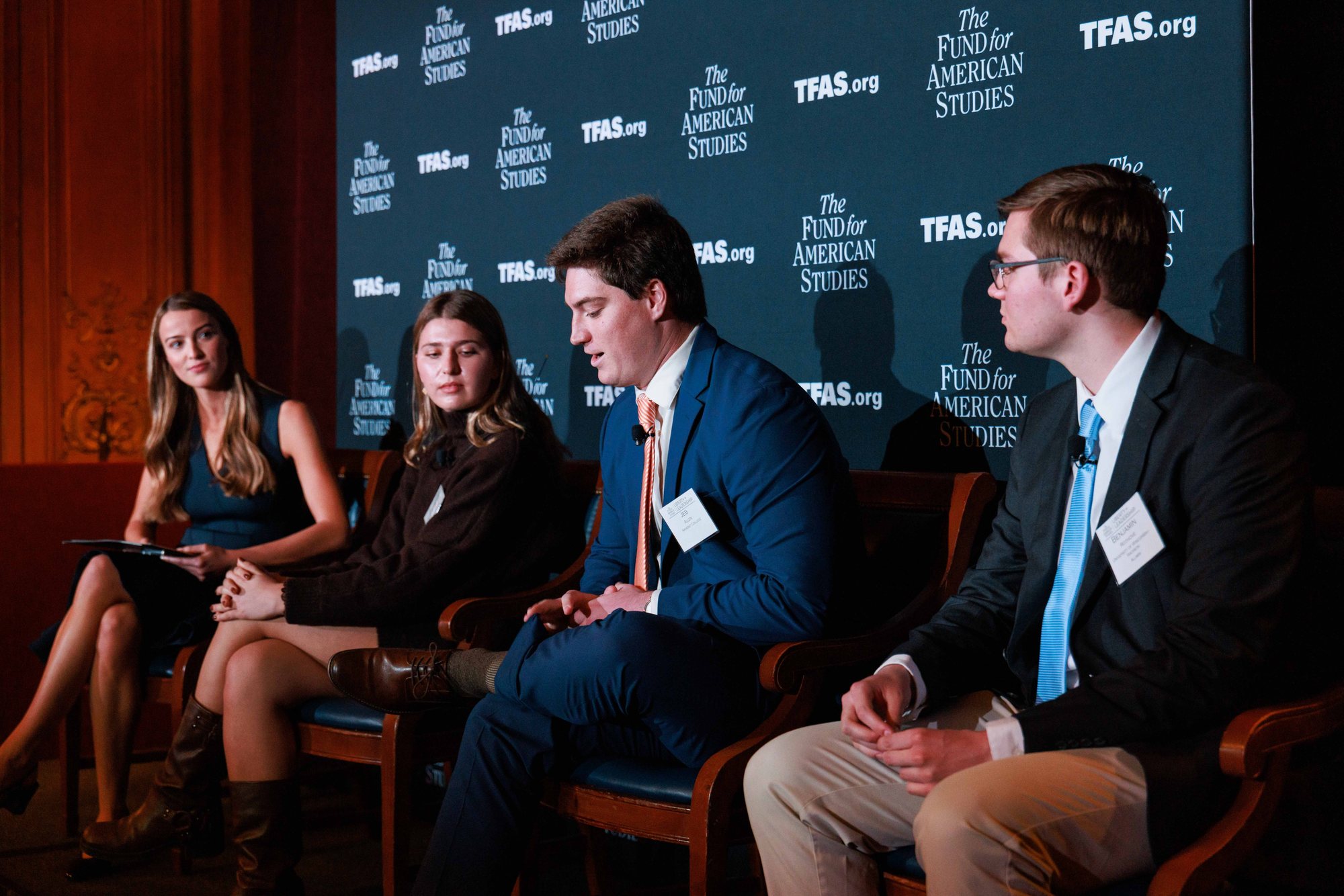
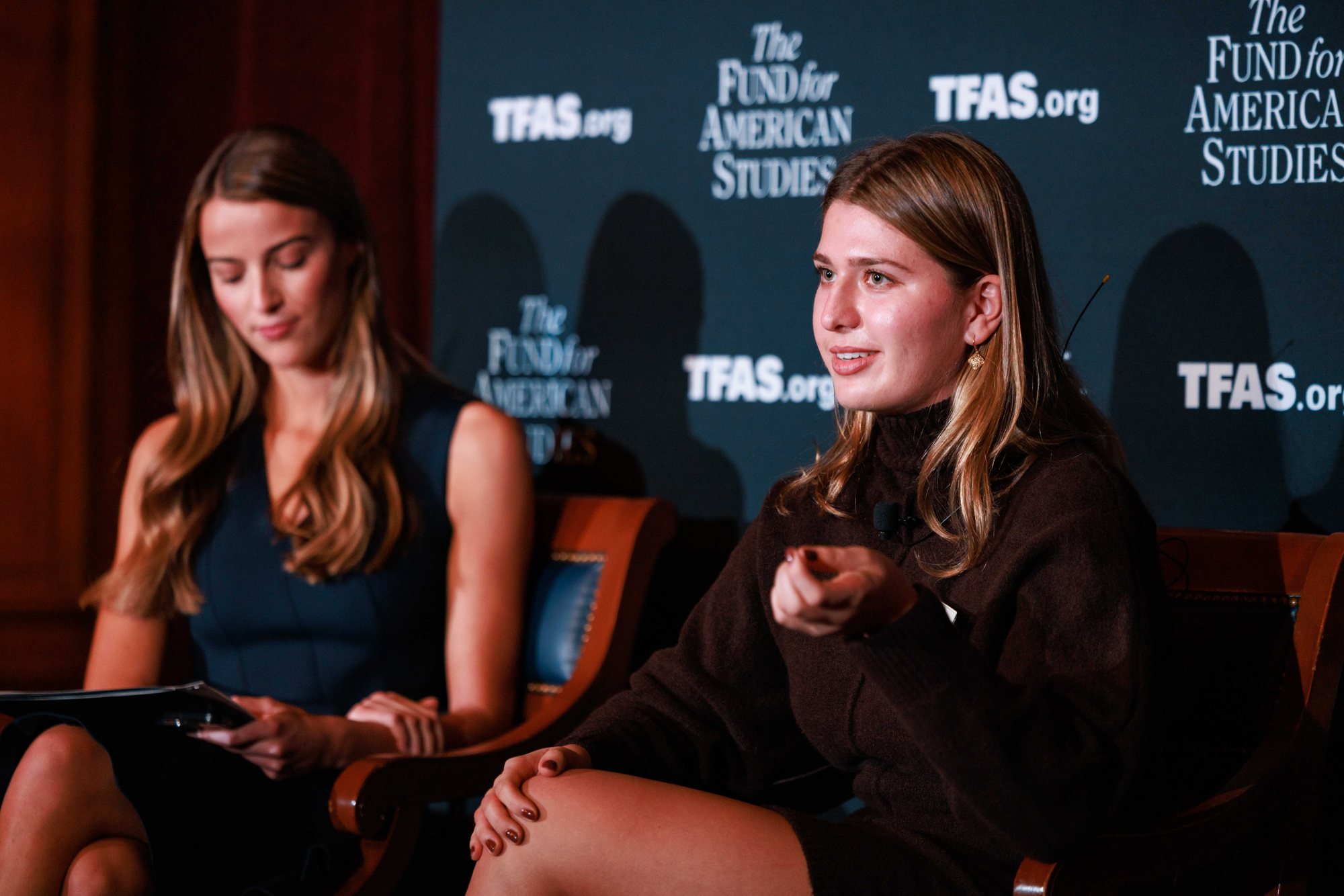
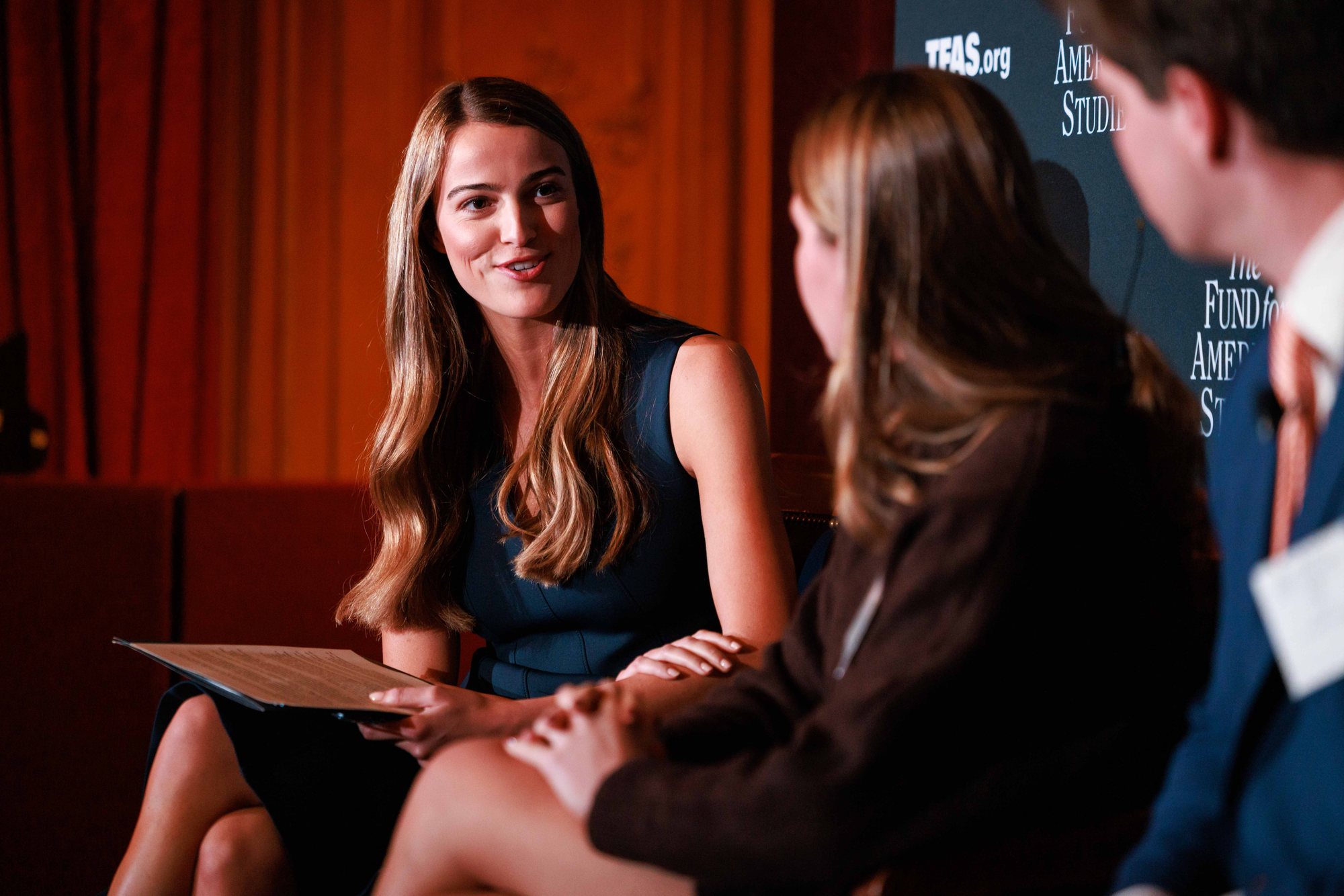
- The opening conference in Annapolis, Maryland, featured keynote speaker Eliana Johnson, editor-in-chief of The Washington Free Beacon, and introduced fellows to investigative basics with professional journalists from outlets such as National Review and CBS. Fellows then attended the TFAS Student Journalism Honors Conference on a separate curriculum track.
- Editing and placement
- Article workshopping, editing assistance and publication placement from TFAS staff. Fellows’ work has appeared in national publications such as The Washington Free Beacon, The Carolina Journal, National Review and The New York Post.
“Without CTF, I would not have been able to pursue journalism after graduation. Having the time and support to write a piece that compels real effects in an institution was something I’d never done before.”
“The Fellowship expanded my understanding of journalism and the impact that thoughtful reporting can have. The experience strengthened my writing, research and communication skills and showed me how those skills can be applied across many professions.”
Status
Dates TBAApplications for the 2026–27 Fellowship are closed.
Questions about the Campus Transparency Fellowship? Write to
lbabler@tfas.orgQuestions
Before you apply.
Anything else? Write to lbabler@tfas.org.
- Who can apply?
- All undergraduates are welcome to apply.
- What does CTF offer?
- A year of support for investigative reporting. The year opens with a conference in Annapolis, Maryland. Fellows then meet monthly in online mentorship sessions with reporters, legal experts and policy professionals, take part in in-person programming, and attend the TFAS Student Journalism Honors Conference.
- What do investigations typically cover?
- Identity-based and viewpoint discrimination, curricular malpractice, unjust campus discipline and administrative overreach. Fellows publish in their own campus papers and in national outlets, including the Washington Free Beacon, the Carolina Journal, National Review and the New York Post.
- How large is the class?
- The inaugural class, in 2025–26, had 18 fellows.